The workforce of the future with AI
TL;DR: Today we value jobs by their economic output, not their value to society. AI will make economic output cheap and abundant, first in digital work and later in physical work. When that happens, our economic model gets challenged. Here are three scenarios for what could come next, and why I hope AI finally breaks the link between our time and our economic value.
2026 is both a sad and an exciting time to be alive. On the one hand we are seeing war and violence, and that's hard to swallow after decades of (relatively and historically speaking) peace. On the other hand we have AI, this helpful chatbot with a name that is hard to pronounce. Chat "GPTPT", it's called. Or Claude, or Gemini, or whatever other fancy word a vendor gives it. We use AI for almost everything these days, and it's doing both tremendous things for us and very, very stupid things, as is always the case with new technology.
But where is this going? Is AI going to be just another tool, like Word, for making cat videos or running a quick Google search on our behalf? Or is it, philosophically, much more? Something like a bridge between us and the modern library (the internet), with a hundred times the transactional speed between us and it.
If infinite wisdom is up for grabs, what does this mean for our society and our workforce? I don't know! Honestly, I think nobody can know at this point. But let's write something that hindsight can call stupid.
The current workforce: we value economic output
Where are we now in terms of jobs, work and society? Here is my starting point:
In modern Western society we rate a job by its economic output, not its societal output.
Someone working in the lower end of the healthcare industry can visit hundreds of hospital beds and help a lot of sick people. He or she might even save lives. During the COVID-19 pandemic in 2020 we showed our appreciation for their work by clapping for a minute in our gardens or on our balconies. At exactly 8:00 pm we were united, if only for a minute, before darting back inside while they were out there risking their lives to save others.
Office jobs can outpay healthcare positions by 10x. Not because these jobs save lives or keep society running in times of crisis, but simply because writing compelling copy can deliver more transactional value. A company might sell 10% more products because the copy is smart and witty. So let's pay the marketer more, because if he or she does the job well, our stock goes up.
I honestly believe the Western job market runs on market value. It's a free market, and the main purpose of a company is to make a profit. So it makes sense to optimize today's workforce for profit.
How AI will generate more economic output
I think it will be difficult to change this mindset in the short term. What we usually see in times of crisis, when we put our differences aside, is that we come up with amazing solutions. Looking back at COVID, we developed a vaccine in record time, manufactured ventilators and felt largely united in battling a terrible virus.
AI is not an enemy or a threat right now, and most of us don't see it as a crisis. So it's unlikely we will unite against "it" and work together. But I do think AI can change the way we work.
Energy and resources come first
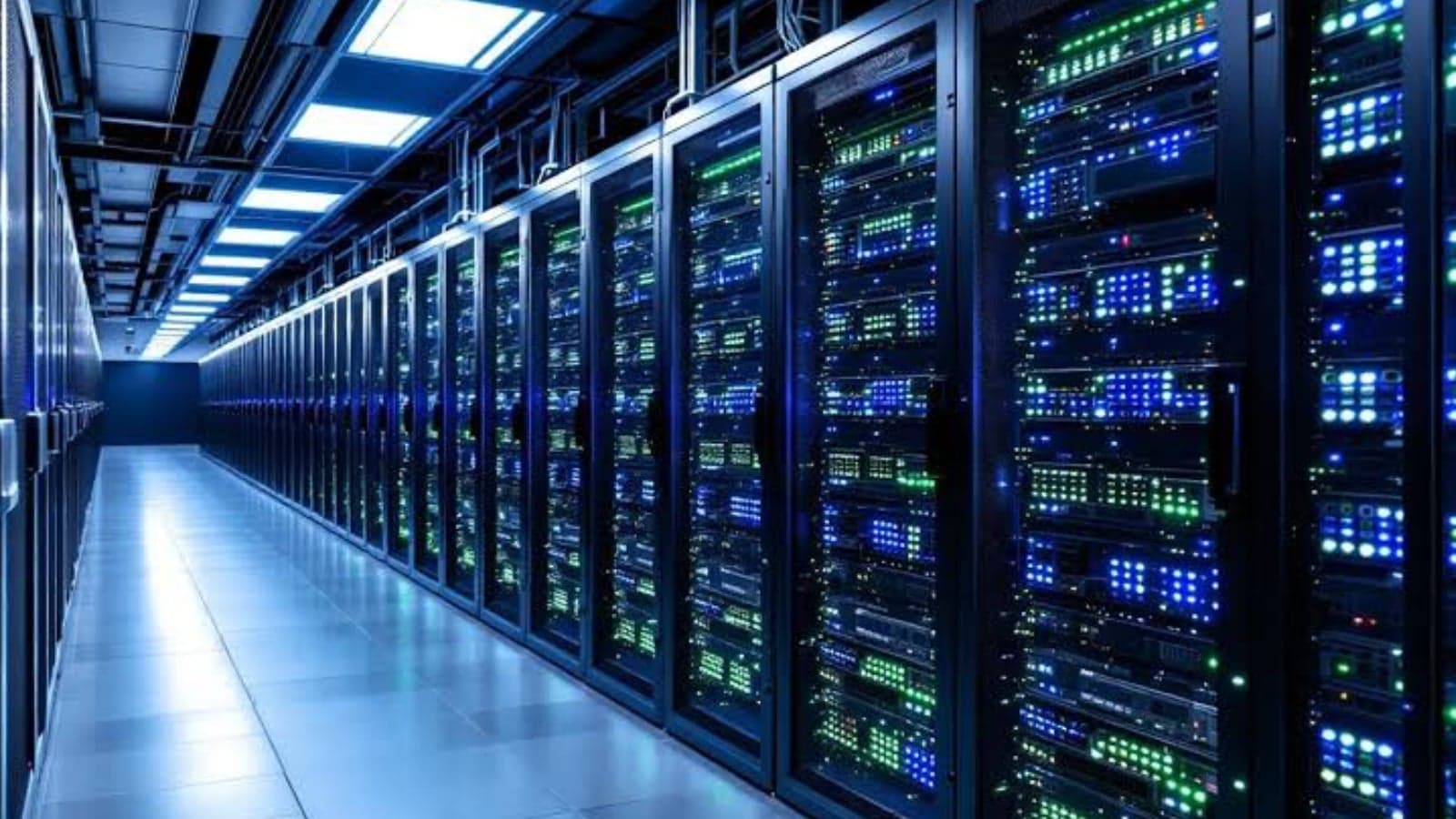
Assuming the economic bias holds, I believe it makes sense that we move in the direction of AI efficiency. Energy and resources are limited and arguably the bottleneck right now, so we need to solve those first: data centers, and sufficient water and energy to run them.
Fewer people for the same output
Once those are solved and the models get better, I predict fewer people will be needed to deliver the output we have today. But why would we work towards what we know today? Think back to the famous quote often attributed to Henry Ford: "If I had asked people what they wanted, they would have said faster horses."
With AI becoming more accessible and cheaper, I believe it will initially cost jobs. More profit can be made by cutting costs. But as we come to see the strengths of the human mind, perhaps we will keep working the same 8-hour days, just differently.
From digital jobs to physical jobs
In the digital realm this transition is already in full swing. For physical jobs, the transition will have to wait until we can put thinking models into machines capable of the same precision and movement that we humans are capable of. This will probably take a decade or two.
Note: we all picture these machines as human-shaped robots, but the ideal form factor is yet to be determined.
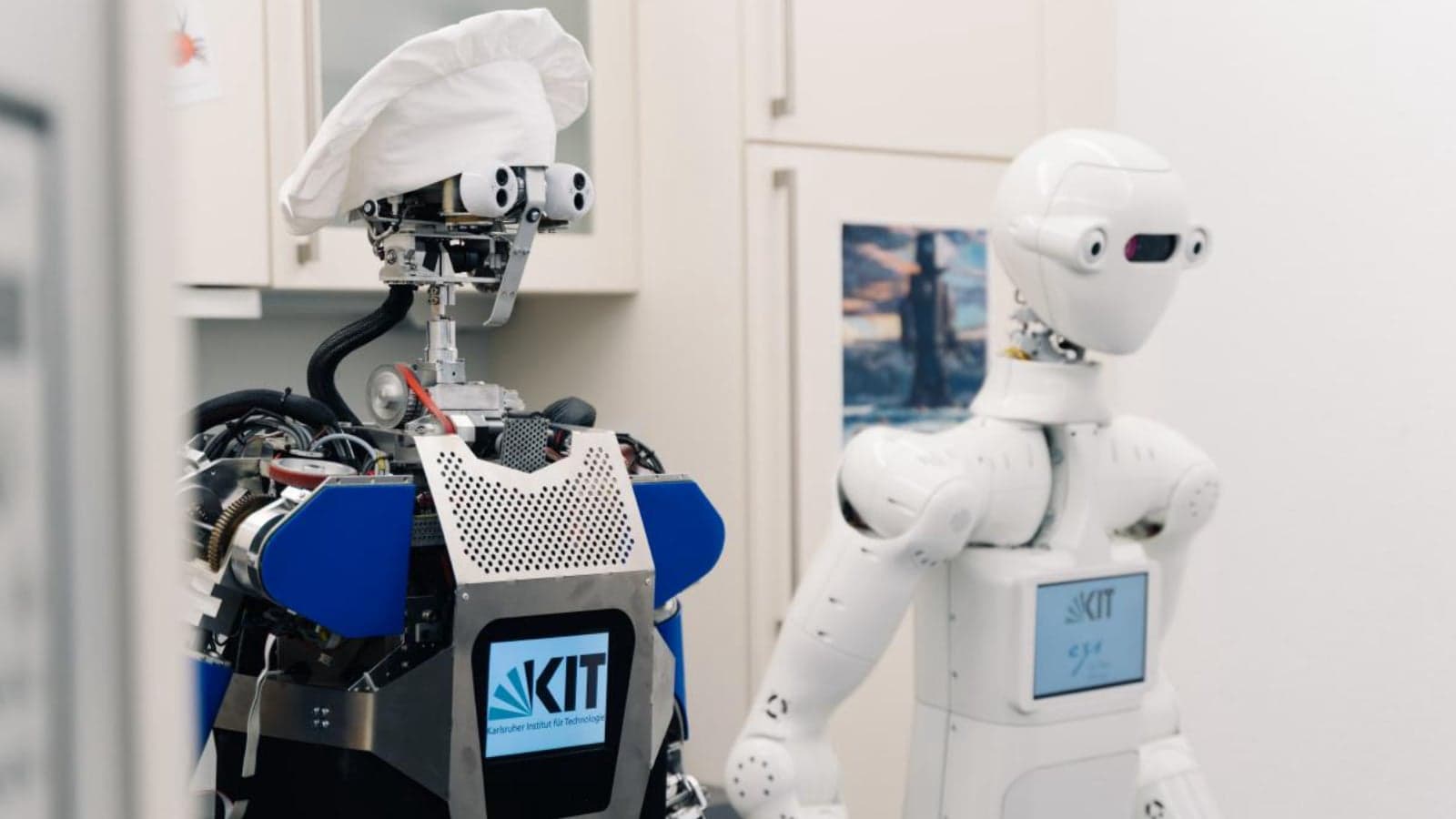
Once this transition has passed, I believe our economic model will be challenged, because output will be many times higher than it is today. A robot could help you with household tasks, or help many people in elderly care homes. Mental health support could be partially AI-assisted, so we can help more people, more quickly. With all these resources, what will happen to economic value?
We all know that economic value depends on supply and demand. With a lot of supply, we could far exceed demand. We won't be able to push prices up the way we do now. At least not for products that don't depend on raw, limited earth materials or aren't bottlenecked in some other way.
Consequences: three scenarios for work after AI
If this plays out, what happens next is anyone's guess. Let's go through a few scenarios, some bleaker than others.
1. We simply adjust
One potential outcome is that we humans, adaptive as we are, simply adjust and start consuming more. These transitions happen gradually, so there's plenty of time. Supply never outgrows demand, and in the end our workflows will have changed, but the number of people required for them has not.
2. Our attention turns elsewhere
Biologically we are optimized for survival. So what if we have so many resources that we get bored, and start looking at the next danger lurking around the corner? We might start directing our resources towards space travel or reversing global warming. This is my personal favorite scenario. It's the COVID scenario, where we stand united against a common threat.
3. Money loses its value
Another scenario is that we stop seeing money as the currency that matters. There is finally enough for everyone! I think this is highly unlikely, as a large part of our supply depends on limited resources such as raw earth materials, or simply having enough physical space on Earth. Still, it could happen. Looking at history, though, we would likely find a new currency to fill our desire for differentiation.
Artificial intelligence is here to stay
Whatever happens, it seems clear to me that we cannot reverse the direction we have taken. AI is simply too influential in too many areas of our lives to give up on.
Looking further ahead, as we have done here, the potential change is century-defining. It might change the way we look at work, money, life, freedom and everything in between. But it could also turn out to be just another way for us to consume more.
I want to believe it will remove the bias I see, where our time equals economic value: your job is worth what it earns the company. Society needs a lot of work whose value doesn't translate 1:1 into economics. We need people to trade their time for the greater good.
If anything, I hope the AI revolution does away with this bias. And who knows, we might finally see eye to eye and have all the thinking power we need to face the challenges that are lurking under the sun: global warming and human survival.